Integrated Reward Mapping for Table Game Bonuses and Sports Wagers on Mobile Handhelds
Written by Klara Otto · Oct 8, 2026
Integrated Reward Mapping for Table Game Bonuses and Sports Wagers on Mobile Handhelds
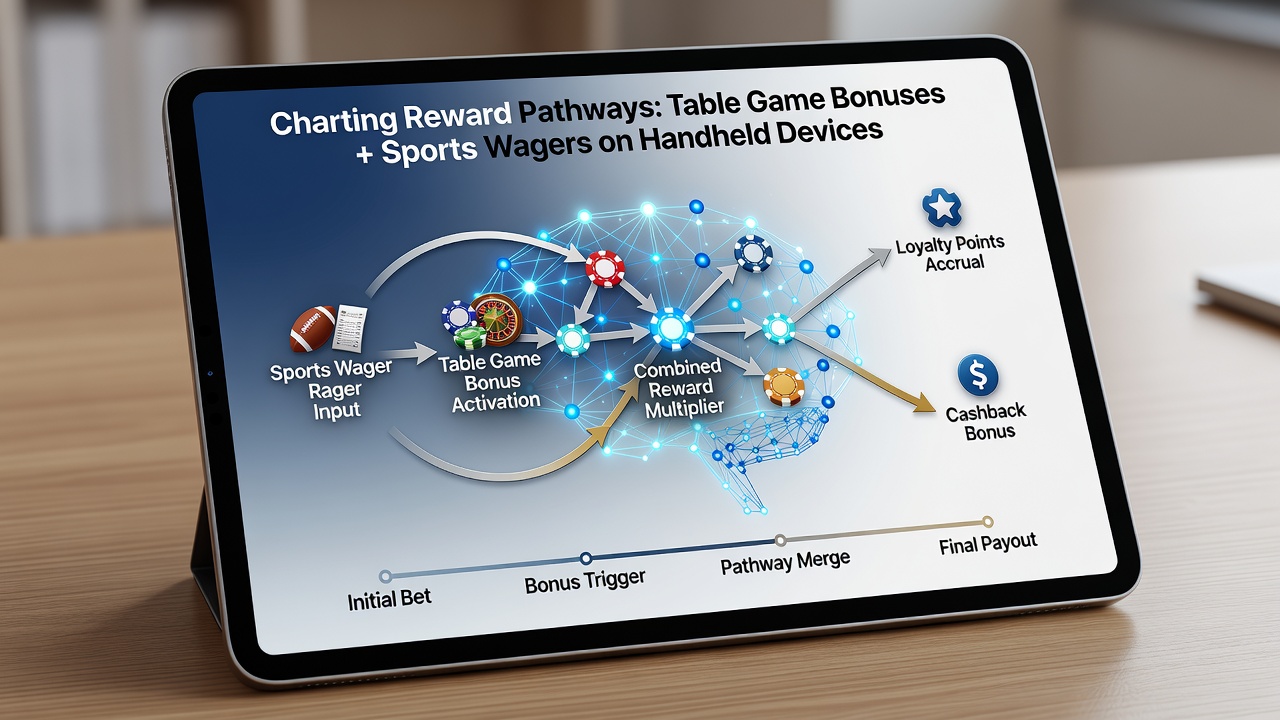
Platform developers have documented clear patterns in how table game bonuses interact with sports wagering incentives when users access both through the same handheld applications, and data collected through 2026 shows these interactions follow predictable pathways across major operators. Research indicates that reward points earned from table game sessions often convert at fixed ratios into sports betting credits, while sports wagers can trigger multipliers that apply retroactively to pending table game bonuses in certain systems. Observers note that these mechanics create layered accumulation routes rather than isolated reward streams, and figures from October 2026 confirm continued expansion of such hybrid tracking features in markets where regulations permit simultaneous access to both verticals on single accounts.
Core Mechanics of Cross-Vertical Point Conversion
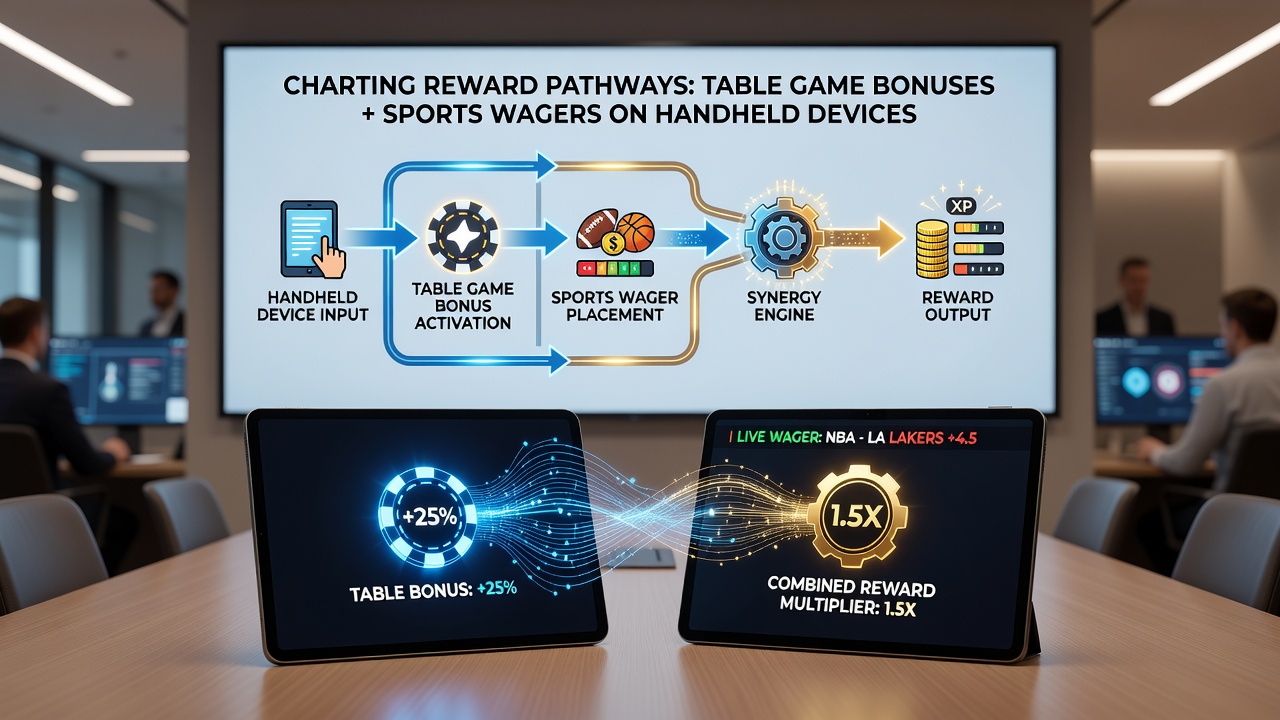
Operators structure conversion tables so that table game contributions, such as those from blackjack or roulette sessions, feed into a shared ledger that sports betting activity can draw upon or augment, and studies from industry analytics groups reveal that conversion rates typically range between 1:1 and 3:1 depending on the specific game type and wager volume. Handheld interfaces display these pathways through unified progress bars that update in real time, allowing users to monitor how a single table game spin might increment a sports free bet meter while a live sports wager simultaneously unlocks a table game cashback segment. Data from multiple platform audits shows that these dual-direction flows reduce the time required to reach tier thresholds compared with single-vertical play alone.
Device-Level Tracking and User Interface Patterns
Mobile applications employ device-specific APIs to log every qualifying action across both table games and sports markets, then route those logs into centralized reward engines that apply bonus conditions without requiring users to switch between separate apps. Experts have observed that push notifications on handheld devices frequently highlight combined progress milestones, such as completing a table game bonus cycle that boosts the odds multiplier on an upcoming sports parlay. Figures reveal that session lengths on these integrated platforms average longer when users engage with both verticals in the same sitting, though total handle per session varies by region and payment method used for funding.
Regional Regulatory Influences on Reward Structures
Regulatory frameworks in different jurisdictions shape how operators may link table game bonuses to sports wagers, and reports from the Nevada Gaming Control Board indicate that licensed platforms must maintain separate ledgers for each vertical even when displaying combined progress to users. In contrast, Canadian provincial regulators have permitted more fluid point pooling in recent guidelines, which has led to higher adoption rates of hybrid bonus campaigns according to operator filings submitted through October 2026. Those who've analyzed compliance documents note that these variations produce distinct reward pathway topologies across borders, with some markets requiring explicit user opt-in for cross-vertical transfers while others embed the option by default.
Payment Integration and Bonus Trigger Conditions
Deposit methods influence which bonus triggers activate when users combine table game and sports activity, because certain funding sources carry different contribution percentages toward wagering requirements. Research from academic papers on digital gaming economics shows that cryptocurrency deposits often receive accelerated conversion rates into combined reward pools compared with traditional bank transfers. Platform data further indicates that loyalty programs adjust multiplier values based on the proportion of table game versus sports volume within a rolling thirty-day window, creating incentive gradients that shift as users alter their activity mix.
Conclusion
Current tracking systems demonstrate that reward pathways for table game bonuses and sports wagers on handheld devices operate through interconnected ledgers rather than parallel isolated systems, and ongoing platform updates continue to refine these connections. Reports from organizations such as the Canadian Gaming Association and university studies on digital wagering behavior confirm that these integrations follow measurable patterns influenced by device capabilities, regulatory rules, and payment preferences. As of October 2026 the documented expansion of unified interfaces suggests operators will maintain focus on streamlining these pathways while adhering to jurisdictional requirements that govern cross-vertical transfers.