Regional Licensing Updates Reshaping User Navigation Patterns in Blended Mobile Gaming Ecosystems
Written by Cameron Hughes · Sep 10, 2026
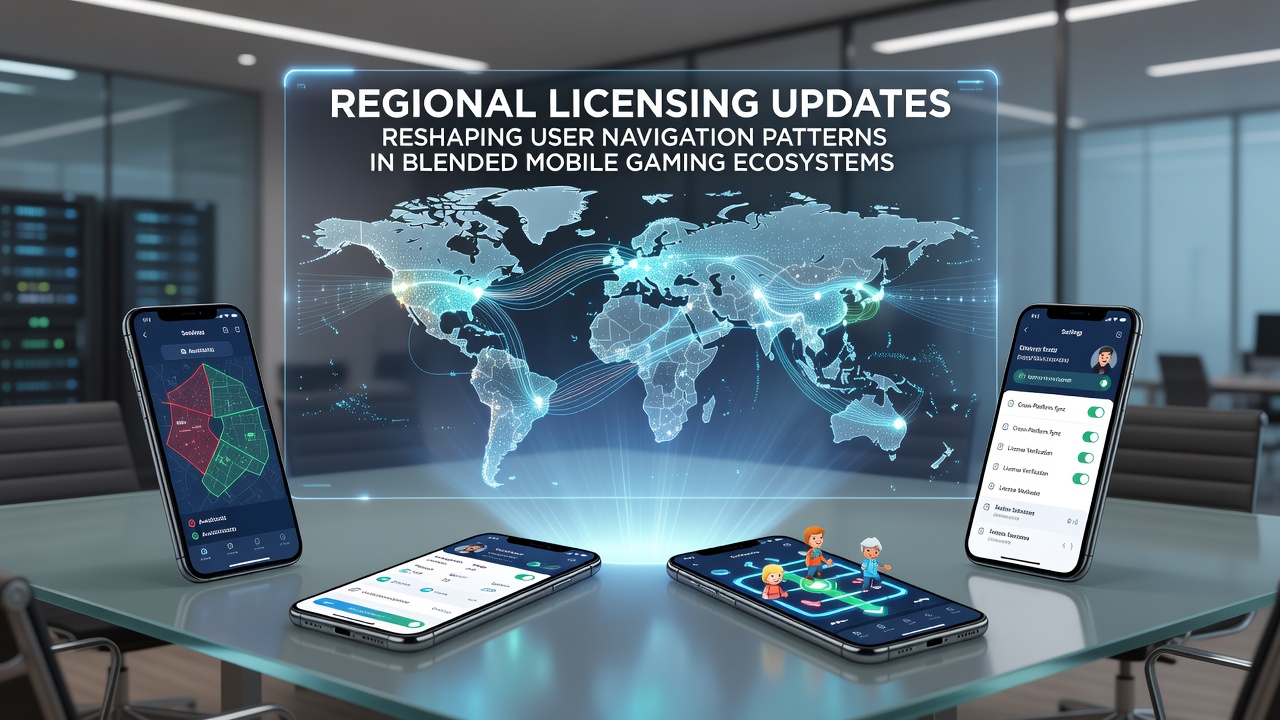
Regional Licensing Shifts Alter Player Routes Across Hybrid Mobile Gaming Platforms
Regional licensing frameworks have undergone multiple revisions since early 2025, and these modifications continue to influence how users move through apps that combine sports wagering, slot machines, poker rooms, and live dealer tables. Data from industry tracking services shows that players encounter new menu structures, region-specific content gates, and redirected pathways when licensing rules change in their location. In September 2026 several jurisdictions finalized updates that further segmented access rights, prompting developers to adjust in-app routing logic so users reach compliant offerings without leaving the platform. Observers note that navigation patterns shift most noticeably when a license restricts one vertical while leaving others open. A user in a market that recently tightened sports betting rules might find the betting tab minimized or removed, yet the same app still offers full access to slots and table games under a separate gaming license. This separation forces players to scroll past grayed-out sections or tap through additional confirmation screens before reaching permitted content. Research from multiple app analytics firms indicates average session depth increases by 12 to 18 percent in such environments because users explore alternative game categories they previously bypassed.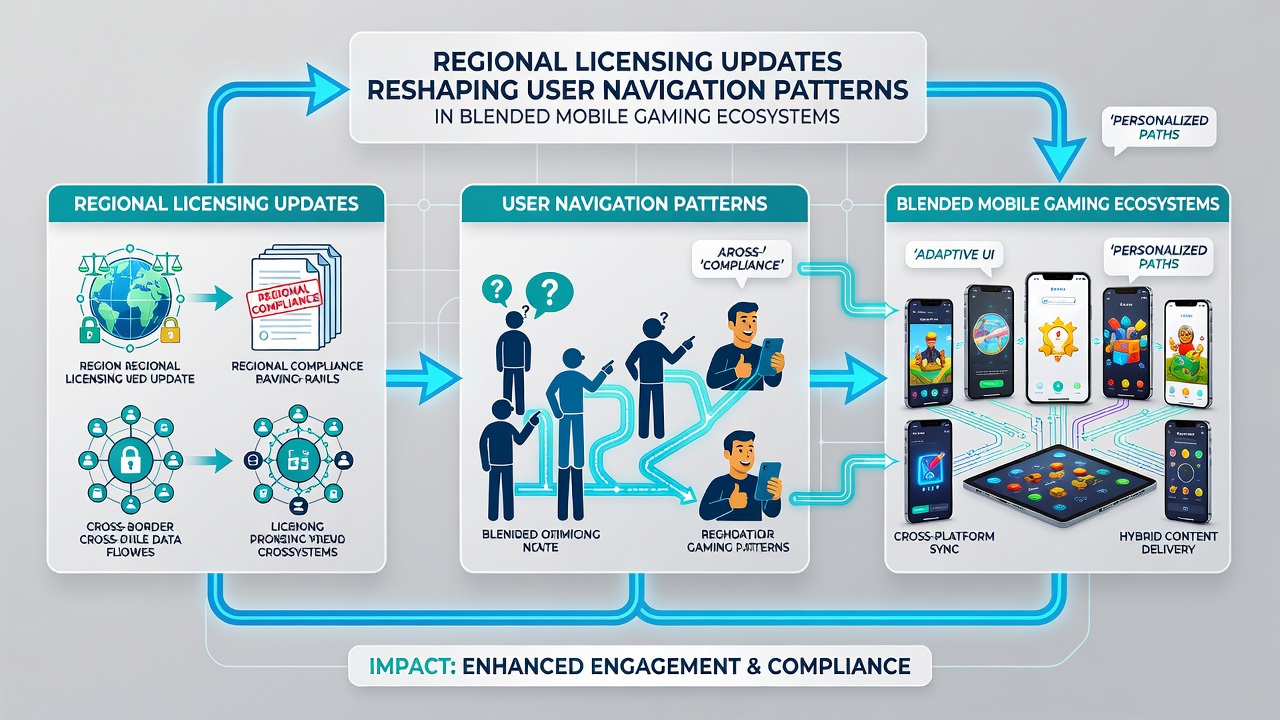 Asia-Pacific regulators implemented parallel requirements in mid-2026, prompting developers to add language toggles and jurisdiction selectors inside the same blended applications. Users switching between markets or traveling across borders now trigger automatic content refreshes that reorder available games and payment options. Tracking data indicates these refreshes correlate with a measurable rise in cross-category sessions, where individuals begin in one vertical and finish in another after encountering regional restrictions.
Regional licensing frameworks have undergone multiple revisions since early 2025, and these modifications continue to influence how users move through apps that combine sports wagering, slot machines, poker rooms, and live dealer tables. Data from industry tracking services shows that players encounter new menu structures, region-specific content gates, and redirected pathways when licensing rules change in their location. In September 2026 several jurisdictions finalized updates that further segmented access rights, prompting developers to adjust in-app routing logic so users reach compliant offerings without leaving the platform. Observers note that navigation patterns shift most noticeably when a license restricts one vertical while leaving others open. A user in a market that recently tightened sports betting rules might find the betting tab minimized or removed, yet the same app still offers full access to slots and table games under a separate gaming license. This separation forces players to scroll past grayed-out sections or tap through additional confirmation screens before reaching permitted content. Research from multiple app analytics firms indicates average session depth increases by 12 to 18 percent in such environments because users explore alternative game categories they previously bypassed.European Regional Adjustments and Resulting Interface Changes
Several European markets revised their licensing criteria in the first half of 2026, requiring operators to maintain separate compliance layers for each product type. One study released by the European Gaming and Betting Association revealed that apps operating under multi-jurisdictional licenses added new regional filters that automatically reorder the home screen based on detected IP location. Players therefore encounter different default tabs depending on whether they open the app from Germany, Spain, or the Netherlands. Those who've studied these implementations report that the reordering reduces accidental clicks on restricted verticals and shortens the time users spend searching for available games. Developers responded by introducing collapsible side menus and persistent quick-switch bars that let users move between compliant modules without reloading the entire application. Figures released by app performance platforms show that these interface tweaks lowered bounce rates on restricted features by nearly 25 percent compared with earlier versions that simply hid buttons. The changes also encouraged longer exploration loops, as users who could not access sports betting often moved directly into live dealer lobbies or progressive jackpot areas that remained available under the same license bundle.North American and Asia-Pacific Licensing Effects on Blended Ecosystems
In North America, state-level licensing updates produced similar navigation adjustments inside apps that combine multiple game types. After regulatory bodies in several states clarified rules around in-app sports features, operators introduced location-based onboarding flows that guide new users toward permitted sections first. A report compiled by the American Gaming Association documented that players in updated markets spent an average of 47 seconds longer on initial screen interactions before selecting a game, reflecting the extra decision points introduced by licensing screens.
Asia-Pacific regulators implemented parallel requirements in mid-2026, prompting developers to add language toggles and jurisdiction selectors inside the same blended applications. Users switching between markets or traveling across borders now trigger automatic content refreshes that reorder available games and payment options. Tracking data indicates these refreshes correlate with a measurable rise in cross-category sessions, where individuals begin in one vertical and finish in another after encountering regional restrictions.